
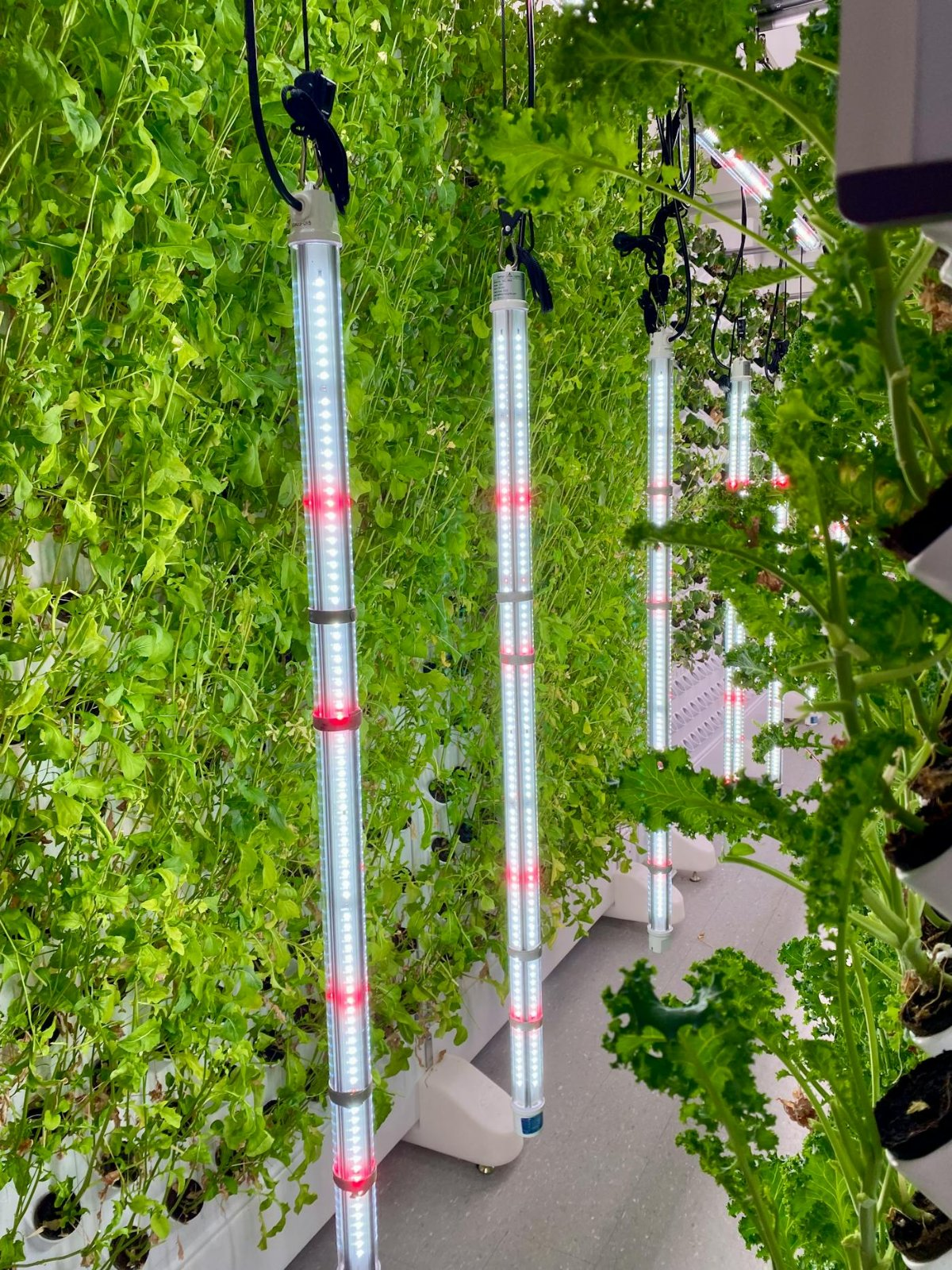
Good light is the single biggest variable in indoor growing. You can have the best seeds, the perfect soil mix, and a top-tier hydroponic system — but without adequate light, your plants will struggle. In an apartment, you simply can’t rely on natural light alone. South-facing windows, seasonal sun angles, high-rise shade, and cloudy winters all conspire against your garden.
This guide cuts through the noise with three honest picks for apartment growers in 2026: one for beginners who want results without breaking the bank, one for growing enthusiasts ready to level up, and one for serious indoor gardeners who want the best light technology available. Every pick has been chosen specifically for apartment-scale growing — compact footprints, low heat output, and quiet operation.
Table of Contents
Why Apartment Growers Need Grow Lights
Most apartments receive far less natural light than plants actually need. A bright, sunny window might deliver 200–500 foot-candles on a good day. Herbs and leafy greens need at least 2,000 foot-candles to thrive — fruiting crops like tomatoes or peppers need 5,000 or more. Even in a sun-drenched apartment, light levels drop sharply in fall and winter, often stalling growth for months at a time.
A grow light solves all of this. It puts you in control of your plant’s light cycle, intensity, and duration — regardless of the season, your floor level, or which direction your windows face. Modern LED grow lights have become remarkably efficient, drawing less power than a hair dryer while delivering the exact spectrum your plants need to photosynthesize.
For apartment growers specifically, three factors matter above all others: footprint (does it fit your space without dominating a room?), heat output (will it make your apartment uncomfortable in summer?), and noise (will a cooling fan drive you crazy while you work from home?). Every pick in this guide scores well on all three.

Quick Pick by Budget
🌿 Quick Pick by Budget
🟢 Good (~$32): Barrina T5 LED Grow Light Strips — Plug-and-go tube lights for herb shelves and countertop gardens. No tools, no fuss.
🔵 Better (~$80): Spider Farmer SF1000D 100W — Full-spectrum Samsung diodes in a compact panel. Dimmable, efficient, and built to last.
⭐ Best (~$299): AC Infinity IONFRAME EVO3 280W — Commercial-grade bar lights with a built-in scheduling controller. The last grow light you’ll ever need to buy.
Good Pick: Barrina T5 LED Grow Light Strips (~$32)
If you’re starting out or growing herbs on a kitchen shelf, the Barrina T5 LED Grow Light is genuinely hard to beat at this price. Each pack includes four 2-foot tube lights (45W total) that daisy-chain across a shelf or cabinet. Setup takes about ten minutes — no tools required, just peel-and-stick mounting clips and a single power cord.
The full-spectrum output covers both the blue wavelengths (6500K) that drive leafy growth and the red wavelengths that trigger flowering. That makes it versatile enough for herbs, lettuces, microgreens, and small flowering plants. The slim T5 profile keeps light close to your canopy without generating noticeable heat — surface temperatures stay comfortable to the touch even after hours of operation.
This is also one of the quietest lights you can buy, because there is no fan. Zero fan noise. For apartment living — where a buzzing or whirring light can become genuinely annoying — that silence is a real selling point.
Who It’s For
The Barrina is the right choice for anyone growing basil, mint, parsley, lettuce, or microgreens on a countertop or floating shelf. It won’t power a hydroponic tower or ripen tomatoes, but for an entry-level herb station it delivers outstanding value and zero complexity.
What We Like
- Daisy-chain design — one outlet powers an entire shelf of lights
- Very low heat output — safe for enclosed shelving and cabinets
- Completely silent — no fan, no hum
- On/off switch on the cord for easy manual control
- Under $35 for a 4-pack
Limitations
Effective coverage is roughly 2×2 feet per 4-pack. There’s no dimming function, and no built-in timer — you’ll want to pair it with an outlet timer (see the accessories section below) to automate your 12–16 hour light schedule.
→ Check current price on Amazon
Better Pick: Spider Farmer SF1000D 100W (~$80)
The Spider Farmer SF1000D is one of the best-value LED panels in the apartment-growing space, and it earns that reputation honestly. It uses Samsung LM301B diodes — the same high-efficiency chips found in lights costing two or three times as much — and draws just 100W from the wall while delivering a genuinely impressive canopy of light.
Coverage is a 2×2 foot footprint at full intensity for flowering, or up to 3×3 feet for vegetative growth and herbs. That’s enough to power a dedicated hydroponic tower, a full herb shelf, or a small grow tent. The full-spectrum design includes both IR and UV diodes for enhanced plant development across all growth stages — something you typically don’t see until you spend considerably more.
The feature that really stands out at this price point is the dimmer dial on the driver. You can dial intensity down to 10% for seedlings and gradually ramp it up as plants mature — a professional technique that most budget lights simply don’t support. The passive cooling design means there’s no fan noise, just quiet, efficient light output.
Who It’s For
The SF1000D is the smart call for anyone running a hydroponic tower like the AeroGarden Bounty, growing a mix of herbs and leafy greens in a dedicated space, or ready to get serious about indoor growing without a major investment. It’s also an excellent supplemental light for plants near a window that don’t quite get enough natural light in winter.
What We Like
- Samsung LM301B diodes — commercial-quality efficiency at a mid-range price
- Dimmer dial for precise control over light intensity at every growth stage
- Silent passive cooling — no fan required
- Daisy-chain port for connecting multiple units
- 3-year manufacturer warranty
Limitations
Like the Barrina, there’s no built-in scheduling — you’ll need a timer. The included hanging hardware is functional but basic; if you’re mounting in a tight space or want precise height adjustment, aftermarket rope hangers are worth the few extra dollars.
→ Check current price on Amazon
Best Pick: AC Infinity IONFRAME EVO3 280W (~$299)
The AC Infinity IONFRAME EVO3 is the grow light you buy when you’re done compromising. It uses Samsung LM301H EVO diodes — a step above the already-excellent LM301B found in the Spider Farmer — arranged across six bar-style panels for exceptionally uniform light distribution. The bar design spreads light more evenly than a single panel and dissipates heat across a larger surface, keeping your grow space cooler.
What truly separates the EVO3 from everything else at its price is the built-in scheduling controller. You can program sunrise and sunset ramps that gradually brighten and dim the light — mimicking natural light cycles and reducing plant stress. You can set different intensity levels for vegetative and flowering stages, create multi-week schedules, and monitor everything remotely through the AC Infinity app. No separate timer, no manual adjustments. Set it once and let it run.
Efficiency is outstanding: the EVO3 is rated at 2.9 µmol/J, which means you get more usable photosynthetic light per watt than almost anything in its price range. At 280W, it costs roughly $0.03–0.04/hour to run at full power — about $1.00 per day on a 12-hour cycle. For serious apartment growing, that’s a very reasonable operating cost.
Who It’s For
The IONFRAME EVO3 is built for growers who want a complete, automated solution. It covers a 2×4 foot footprint — ideal for a grow tent, a dedicated growing shelf, or a large hydroponic tower setup. If you’re growing fruiting crops like tomatoes, peppers, or strawberries, or running multiple plants year-round and want hands-off scheduling, this is the right investment.
What We Like
- Samsung LM301H EVO diodes — among the most efficient grow light chips available in 2026
- Built-in scheduling controller with sunrise/sunset simulation and app control
- Bar design for superior light uniformity and heat management
- 2.9 µmol/J efficiency — exceptional for the price
- Quiet operation — no loud cooling fans
- Works with the full AC Infinity smart growing ecosystem
Limitations
The EVO3 is overkill for a small herb shelf — the Barrina or SF1000D will serve you better and save you $200+. The 2×4 footprint also requires meaningful dedicated space; if you’re working in a truly tiny apartment, measure carefully before purchasing.
→ Check current price on Amazon
What to Look for in an Apartment Grow Light
Shopping for grow lights can feel overwhelming — the specs are dense and the marketing is thick. Here’s what actually matters for apartment growing.
True wattage vs. “equivalent” wattage. Many budget lights advertise 1000W or 2000W output but draw only 100–200W from the wall. Always focus on actual power draw (labeled “actual power” or “power consumption” in the specs) — that’s the real number that determines light output and your electricity cost.
Spectrum. For food crops, you want full-spectrum light covering both blue (400–500nm, for leafy vegetative growth) and red (600–700nm, for flowering and fruiting). All three picks in this guide are full-spectrum. Avoid lights that only advertise “pink/purple” output — that’s an older LED design with lower efficiency and poorer plant response.
Coverage area. Match the light’s rated coverage to your actual growing footprint. A 2×2 panel for a 2×2 shelf, a 2×4 bar light for a 2×4 tent. Undersizing a light means uneven coverage and weak results at the edges of your canopy.
Heat and noise. Both matter significantly in an apartment. Passive-cooled lights (no fan) are quietest. Bar lights like the IONFRAME EVO3 run cooler than equivalent panel lights because heat dissipates across a larger surface area.
Diode quality. Samsung LM301B and LM301H diodes are the benchmark for efficiency in the mid-to-premium market. If a light at $100+ doesn’t specify its diode brand, assume cheaper components.
Essential Accessories
Two accessories will meaningfully improve any grow light setup, regardless of which light you choose.
Outlet timer. Plants thrive on consistent light cycles — 16 hours on / 8 hours off for herbs and leafy greens, 12/12 for flowering and fruiting crops. A programmable outlet timer automates this completely. The BN-LINK 7-Day Digital Timer (~$12) is a reliable, widely-used option that works with any of the lights above. (If you choose the IONFRAME EVO3, its built-in controller handles scheduling — no separate timer needed.)
Adjustable rope hangers. Getting light height right is critical — too close risks light burn, too far and intensity drops off fast. Adjustable ratchet rope hangers let you dial in the perfect height and raise the light as plants grow. Most lights include basic hangers, but 1/8-inch aftermarket rope ratchets give much finer control. A set of four typically runs $8–12 and is one of the best small upgrades you can make.
Frequently Asked Questions
How many hours a day should I run my grow light?
For herbs and leafy greens (basil, lettuce, mint, spinach), 14–16 hours on and 8–10 hours off is a good starting point. For fruiting crops like tomatoes and peppers, 12 hours on / 12 hours off during flowering helps trigger better fruit set. Always give plants a true dark period — running lights 24/7 stresses most plants and reduces yield over time.
Will a grow light raise my electricity bill noticeably?
Less than you’d expect. The Barrina T5 at 45W costs roughly $0.08/day running 16 hours (at the US average rate of ~$0.13/kWh). The SF1000D at 100W runs about $0.21/day. Even the IONFRAME EVO3 at 280W costs around $0.44/day on a 12-hour cycle — about $13/month. For most apartment growers, the fresh herbs and produce more than offset the electricity cost.
Can I use these lights for succulents or houseplants?
Absolutely. All three lights work well for succulents, tropical houseplants, and other non-edible plants. For succulents, lower intensity works fine — the Barrina at standard output is usually sufficient. For tropical plants like pothos, monstera, or fiddle-leaf figs, a grow light on a 12-hour cycle can dramatically improve growth rate and leaf color during winter months.
How far should I hang my grow light from my plants?
General starting points: the Barrina T5 works best 2–4 inches above the canopy. The SF1000D should hang 18–24 inches above for herbs and leafy greens, 12–18 inches for seedlings. The IONFRAME EVO3 is typically hung 18–30 inches above depending on growth stage. Watch for light stress signs (bleaching, upward-curling leaves) and adjust accordingly.
Where to Go From Here
The right grow light is just one piece of a productive apartment garden. Here’s where to go next in the Smart Garden Tech cluster:
- The 2026 Master Guide to High-Rise Food Security — the full framework for apartment food growing, from system selection to 90-day roadmap
- Vertical Hydroponic Towers for Apartments: A Hands-On Comparison — side-by-side look at the Lettuce Grow Nook, Gardyn Studio, Rise Gardens, and AeroGarden Bounty
- Apartment Balcony Weight Limits: Your Safe Container Garden Guide — how to calculate your balcony’s load capacity and choose lightweight containers
- Vacation Planning for Indoor Growers: Keep Your Apartment Garden Alive While You’re Away — Good/Better/Best solutions for keeping every plant watered while you travel
Questions about your specific setup? Use the contact form — I read every message.